Fueling for high altitude
What to eat above 2,000 metres · simple snacks that travel well and keep you moving.
Above 2,000 metres your body works harder for every step, your appetite quietly shrinks, and what you eat starts to matter more than how much. The trick is not eating more · it is eating often, and eating the right things.
Why altitude changes everything
At altitude you burn more calories, lose more fluid through breathing, and often feel less hungry even as your needs rise. Skip meals and you bonk. Eat the wrong things and your stomach rebels on the climb. The fix is small, frequent, easy-to-digest intake from the first hour.
The snacks that travel well
Good high-altitude fuel is dense, durable, and easy to eat with gloves on. Our packing list always includes trail mix with nuts and dark chocolate, energy bars that do not freeze rock-hard, dried fruit, and a couple of real-food wraps that hold up in a pack. Electrolyte sachets go in the bottle from day one · plain water is not enough when you are breathing hard and dry all day.
Eat before you are hungry
By the time you feel hungry on a big day, you are already behind. Set a rhythm · something small every 45 to 60 minutes, a sip every 15. Treat fuel like breathing · automatic, not something you decide about in the moment.
What to skip
Skip heavy, greasy lunches at the hut before a big afternoon. Skip anything that needs hot water to be edible. Skip the energy drink that promises the world and delivers a crash at 3,000 metres. And skip the temptation to skip breakfast · it is the meal that sets the whole day.
The simple truth
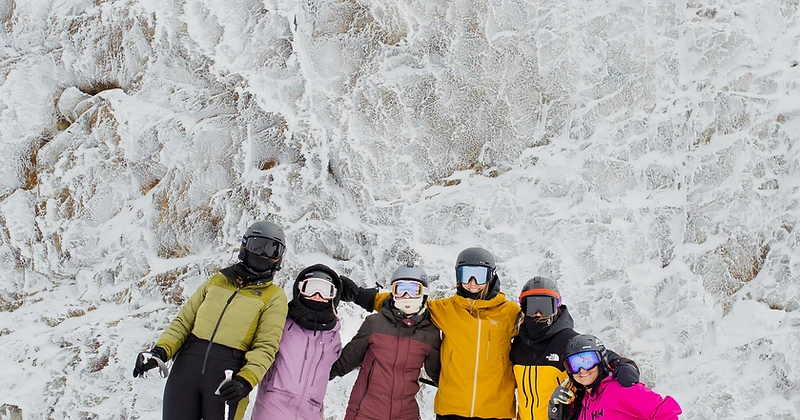
The women who feel strong at altitude are the women who ate an hour ago. Fuel is not a luxury on a backcountry week · it is the difference between a summit and a turn-around. Pack more than you think you need, eat before you are hungry, and drink before you are thirsty.
The mountain rewards the fed.